Dynamic Inertial Clinostat Experimental System (DICE)
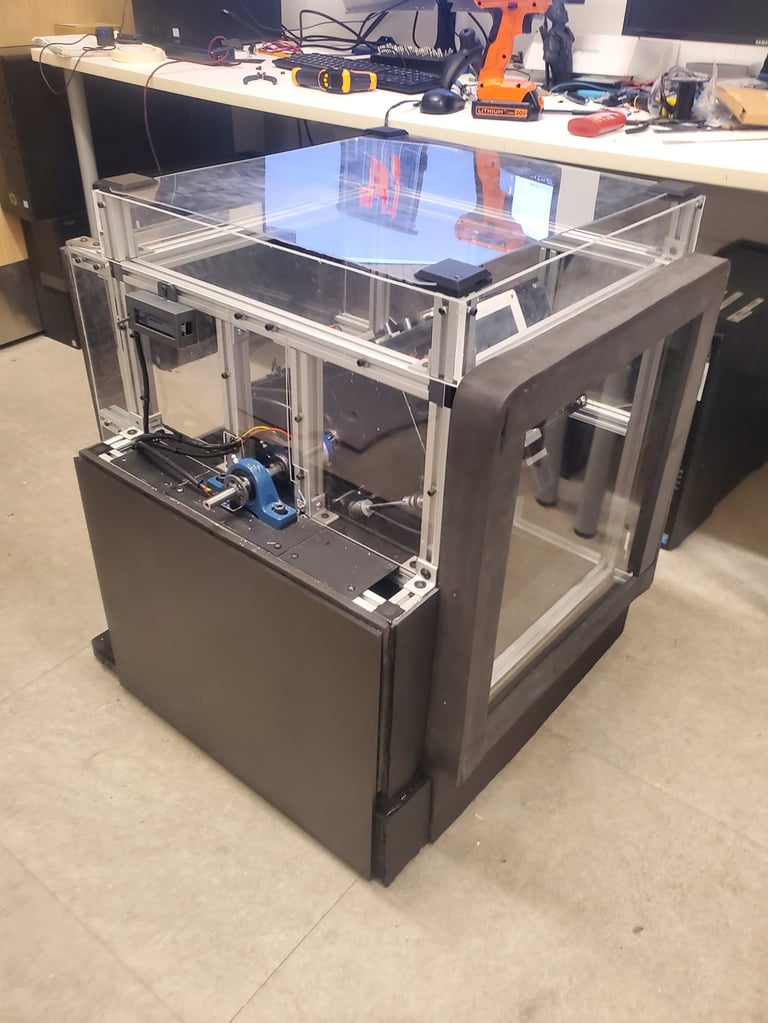
In the quest to advance human capabilities beyond Earth, one of the key challenges researchers face is how materials and biological systems behave in microgravity. Access to true microgravity environments — like the International Space Station — is rare, expensive, and limited. That's where devices like clinostats come in, and where my capstone project, the Dynamic Inertial Clinostat Experimental System (DICE), was born.

Rotation & Force
At 120 RPM, DICE is capable of generating 4 Gs of force
DICE's Main Components
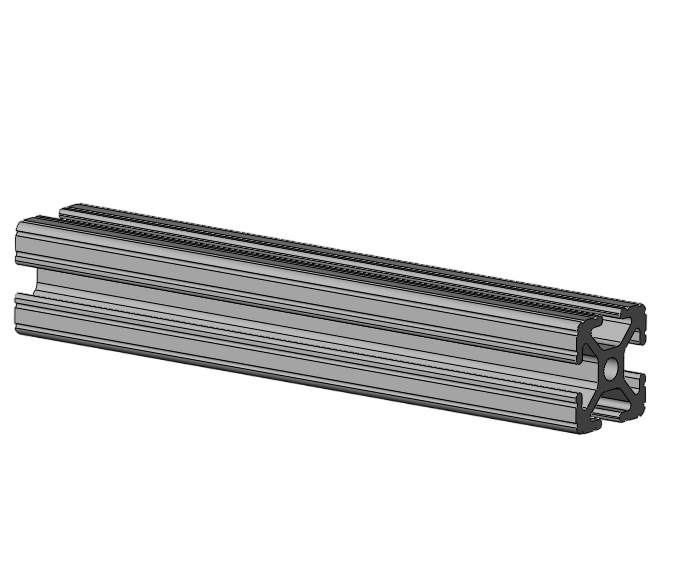
Aluminum Frame
Chain Drive System
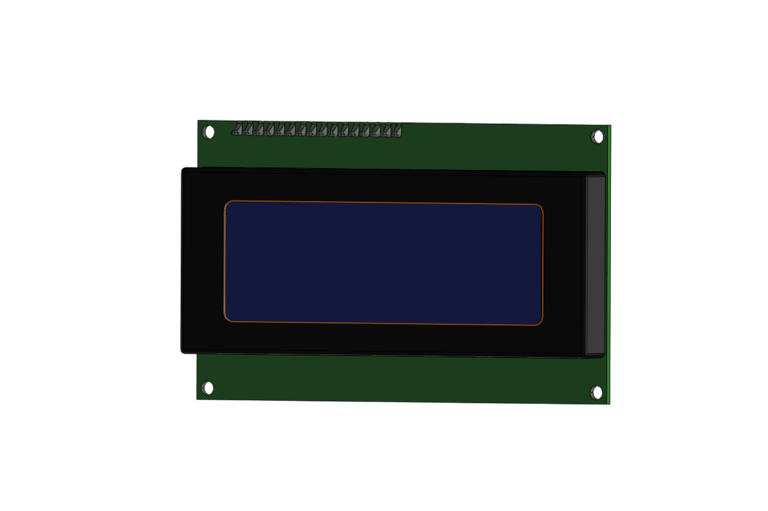
Monitoring Screen with Sensors
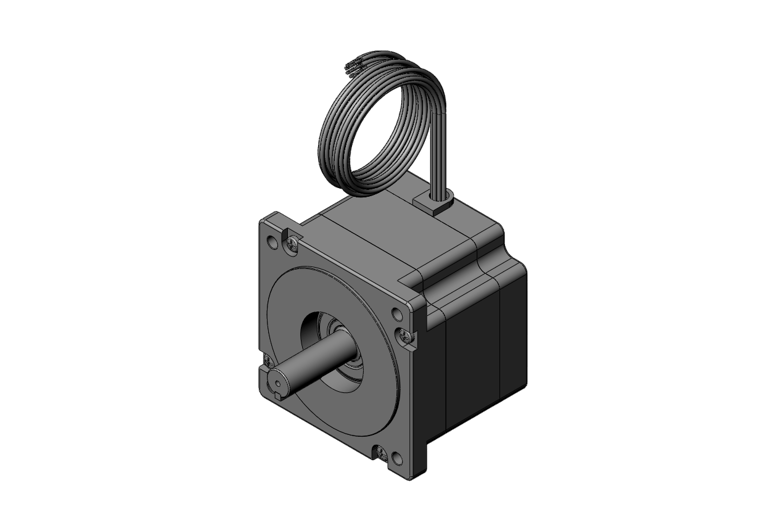
NEMA 34 Motor
40 ft of Aluminum Extrusions where used, representing the whole structure and act as support
DICE uses a NEMA 34 stepper motor rated at 8 Nm torque with a maximum speed of 640 RPM, providing reliable, stable rotation for microgravity simulation at 120 RPM.
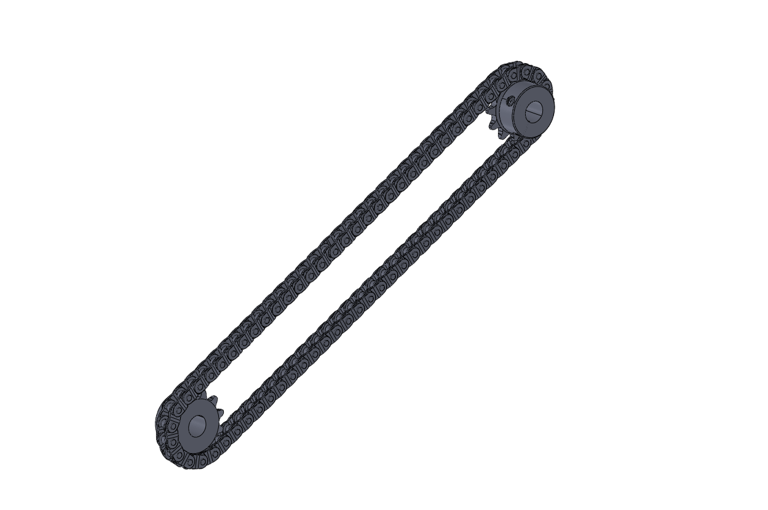
Two sprockets 1:1 ratio and a driving chain used to transmit toque to the shaft.
WHAT IS DICE?
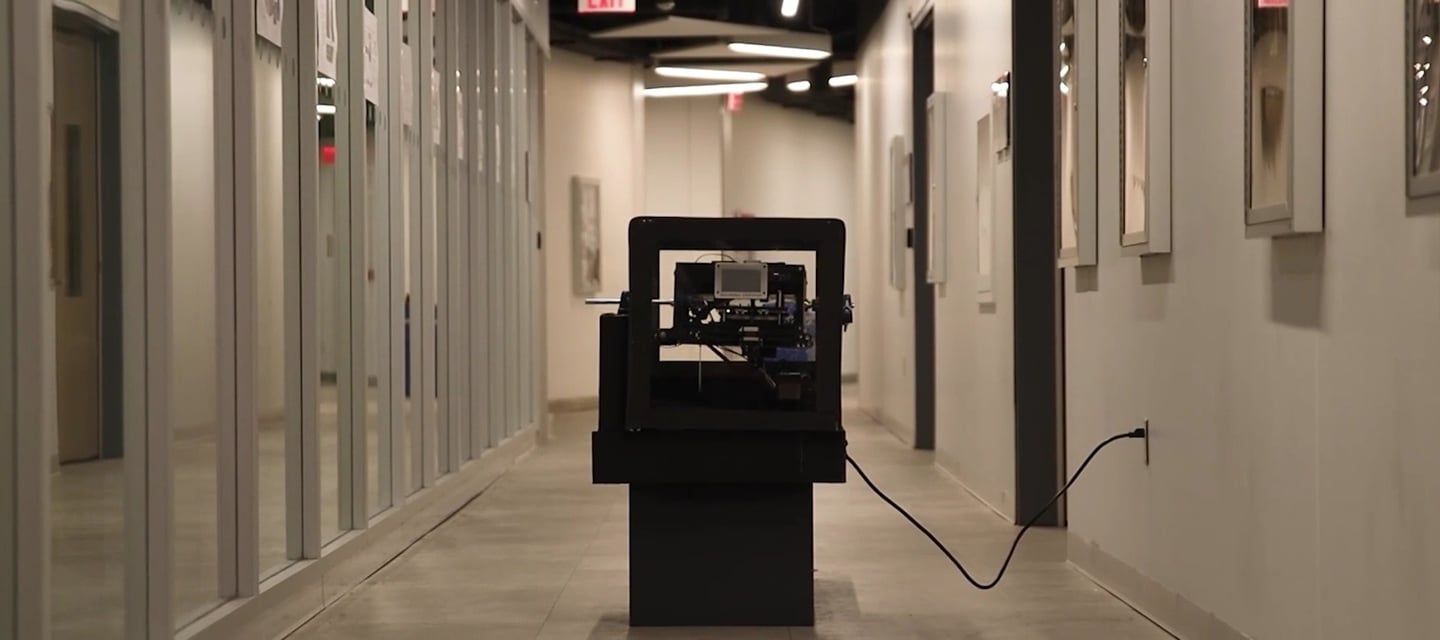
DICE is a high-speed, dynamic clinostat designed to simulate microgravity conditions in a laboratory setting. By rotating a sample at 120 RPM, DICE generates up to 4 Gs of centrifugal force, allowing researchers to study 3D printing processes and material behaviors in an environment where the directional effects of gravity are effectively nullified.
Unlike traditional slow-rotation clinostats, DICE introduces higher inertial forces and faster rotations to simulate conditions closer to those experienced in orbit. It’s a powerful research tool aimed at pushing the boundaries of manufacturing in space and in extreme environments.
To ensure precise and safe operation, DICE is equipped with a custom monitoring system. An infrared (IR) sensor is used to accurately measure the rotational speed in real-time, allowing for precise speed control. A DHT11 sensor monitors the internal temperature and humidity conditions to protect sensitive equipment and maintain consistent test environments. Additionally, an onboard accelerometer measures the acceleration experienced by the nozzle during operation, providing critical data on dynamic forces and ensuring system stability during high-speed rotation.
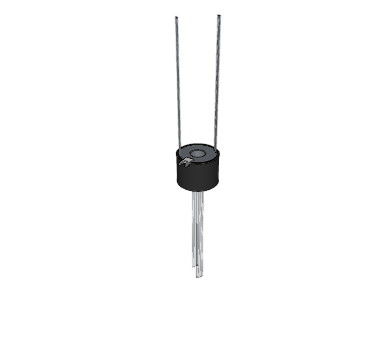
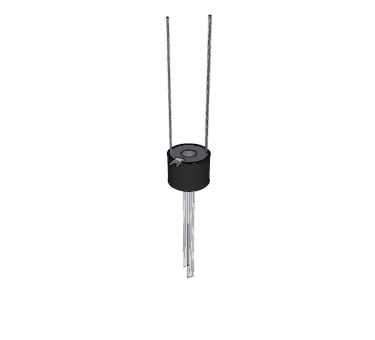
Slip Sings
DICE incorporates slip rings to allow continuous electrical connection between the rotating 3D printer and the stationary control system.